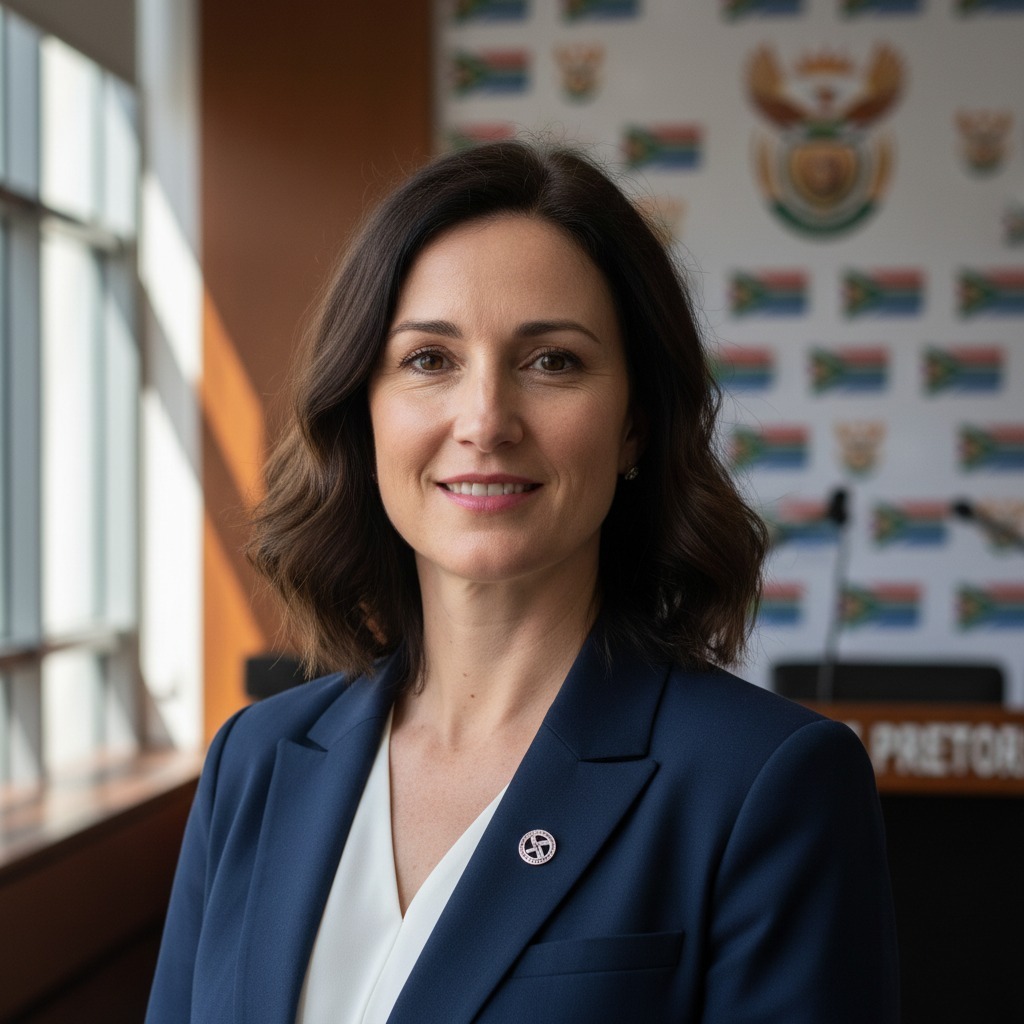

Local Councillors Debate Future of Public Transport Routes in Fourways
Johannesburg East – The bustling precinct of Fourways, a cornerstone of Johannesburg's rapid urban expansion, is at a critical juncture regarding its public transport infrastructure. Local councillors convened this week in a pivotal session to dissect and deliberate the future of commuter routes, aiming to untangle the severe traffic congestion that chokes daily life and deliver more efficient solutions for residents in areas such as Lonehill, Broadacres, and Dainfern. The discussions, fraught with the urgency of a growing population and overstressed infrastructure, centred on critical proposals designed to optimise existing services and introduce new, much-needed transport arteries.
Fourways Commuters Grapple with Gridlock and Unreliable Services
For the thousands of residents navigating Fourways daily, the state of public transport is not merely an inconvenience but a significant impediment to productivity and quality of life. Frequent delays, chronic overcrowding, and a glaring lack of efficient route connectivity are consistently cited as major pain points. Ms. Zandile Ndlovu, a long-time resident of Lonehill and a marketing professional who commutes daily to Sandton, articulated a sentiment echoed across the community: "Getting to and from work can be an absolute nightmare. The buses are often late, sometimes by 30 minutes or more, and when they do arrive, they're packed to capacity. The routes simply don't connect efficiently to key business hubs or residential areas like Cedar Lakes. We desperately need a system that is reliable, accessible, and actually caters to where people live and work." Her frustrations were widely echoed during a recent public engagement session held at the Fourways Community Hall, highlighting a community desperate for practical and immediate improvements to the Fourways public transport network.
The burgeoning population in Fourways, driven by an influx of new residential developments such as the Fourways Gardens Estate and numerous commercial hubs around Montecasino and Fourways Mall, has placed immense strain on the existing transport network. Ward 93 Councillor Thandiwe Mkhize acknowledged this pressing challenge during the council meeting, stating, "Fourways is experiencing unprecedented urbanisation, and our current public transport infrastructure is demonstrably struggling to keep pace. We need a truly forward-thinking approach that considers both the immediate needs of our residents – like easing congestion on Witkoppen Road during peak hours – and the long-term growth trajectory of the area. This includes exploring options for increased bus frequencies, dedicated bus lanes, and potentially integrating with future rapid transit plans to reduce reliance on private vehicles." The discussions also touched upon the strategic importance of improving links to major arterial roads such as William Nicol Drive and the N1 highway, crucial for commuters travelling to and from the wider Johannesburg metropolitan area.
The Economic Burden of Inefficient Commuting
Beyond the personal frustration, the inefficiencies in Fourways' public transport system carry a significant economic burden. Commuters face increased fuel costs, lost productivity due to extended travel times, and the mental toll of daily gridlock. Businesses in the area also feel the pinch, with employees arriving late and logistical challenges impacting supply chains. According to a recent study by the Gauteng Department of Transport, traffic congestion in the greater Johannesburg area costs the provincial economy an estimated R300 million annually in lost productivity and fuel consumption. Improving the Fourways public transport system is therefore not just a matter of convenience, but a vital economic imperative for the entire region.
Navigating Funding Models for Sustainable Public Transport Growth
The debate extended to the substantial financial implications of the proposed changes, with councillors meticulously exploring various funding models and the potential for public-private partnerships (PPPs) to enhance service delivery. Councillor Mkhize emphasised the critical importance of fiscal responsibility and long-term sustainability. "Any changes we implement must be financially viable and offer long-term benefits to the community. We cannot afford to implement short-sighted solutions that will require constant bailouts or fail to serve the community effectively in a few years' time. We are looking at a multi-year budget allocation of at least R150 million to kickstart these critical upgrades," she stated, underscoring the need for solutions that are not only effective but also economically sound and able to withstand future pressures like loadshedding impacts on traffic light systems.
Discussions included the potential for attracting private investment to supplement municipal funds, aiming to accelerate the implementation of new routes and improved services. This collaborative approach is seen as crucial for developing a robust and resilient public transport system capable of serving the Fourways community for decades to come. The council is actively engaging with transport experts from the University of Johannesburg and potential private sector partners, including major bus operators, to ensure a comprehensive and sustainable plan is developed. Further consultations are expected with transport operators and various community groups in the coming months, with a focus on delivering a system that truly benefits the daily lives of residents.
Charting the Course: Stakeholder Consultations and Definitive Decisions
Before any definitive decisions are made regarding the future of Fourways’ public transport routes, the council has committed to extensive further consultations. These engagements will involve a wide array of stakeholders, including existing taxi associations operating along William Nicol Drive, bus operators, community groups from areas like Douglasdale, and local businesses around the revamped Fourways Mall. The goal is to gather comprehensive feedback and ensure that the final plans are well-informed, inclusive, and reflect the diverse needs of the Fourways population, ensuring that the new Fourways public transport strategy is truly fit for purpose.
These upcoming consultations are expected to provide a platform for detailed discussions on proposed route changes, service frequencies, fare structures (including potential integration with existing Rea Vaya systems), and seamless integration with other transport modes. The council aims to present a unified and sustainable plan that addresses the current challenges and lays a solid foundation for Fourways' future transport landscape, ensuring that the burgeoning population around landmarks like Montecasino and the Fourways Mall has access to reliable and efficient public transport, crucial for continued economic growth and improved quality of life.
Related Regional Coverage
- Rosebank's Game On! Our Hustle Keeps Winning on the Field! — Rosebank Times
- ANC Ward Councillor Faces Scrutiny Over Alleged Misuse of Development Funds — Johannesburg South Daily
For more Johannesburg East, Gauteng news, visit johannesburgeasttimes.co.za and the PR Daddy national grid.
For more local updates, visit our latest Johannesburg East news section.
Stay informed with local Johannesburg East coverage from our editorial team.